
There are several animals and bugs that are common pests in Houston, Texas, during the spring and can be handled by Michael Gerbino of Cypress Critters & Pests to protect a home. Here are some of the most common ones:
Spring Time Pest Control Checkup
- Termites: Termites are a significant threat to homes in Houston, as they can cause extensive damage to wooden structures. Spring is the peak season for termite swarms, so it’s important to have your home inspected by a pest control company to detect and treat any infestations.
- Ants: Ants are very common in Houston, especially during the spring when they are foraging for food. Some species of ants can also cause damage to your home, so it’s important to have a pest control company treat your property to prevent infestations.
- Cockroaches: Cockroaches are also common in Houston and can carry diseases and trigger allergies. A pest control company can help you identify the source of the infestation and implement effective control measures.
- Mosquitoes: Mosquitoes thrive in the warm and humid climate of Houston and can carry diseases such as the West Nile virus and Zika virus. A pest control company can help you control mosquito populations around your home.
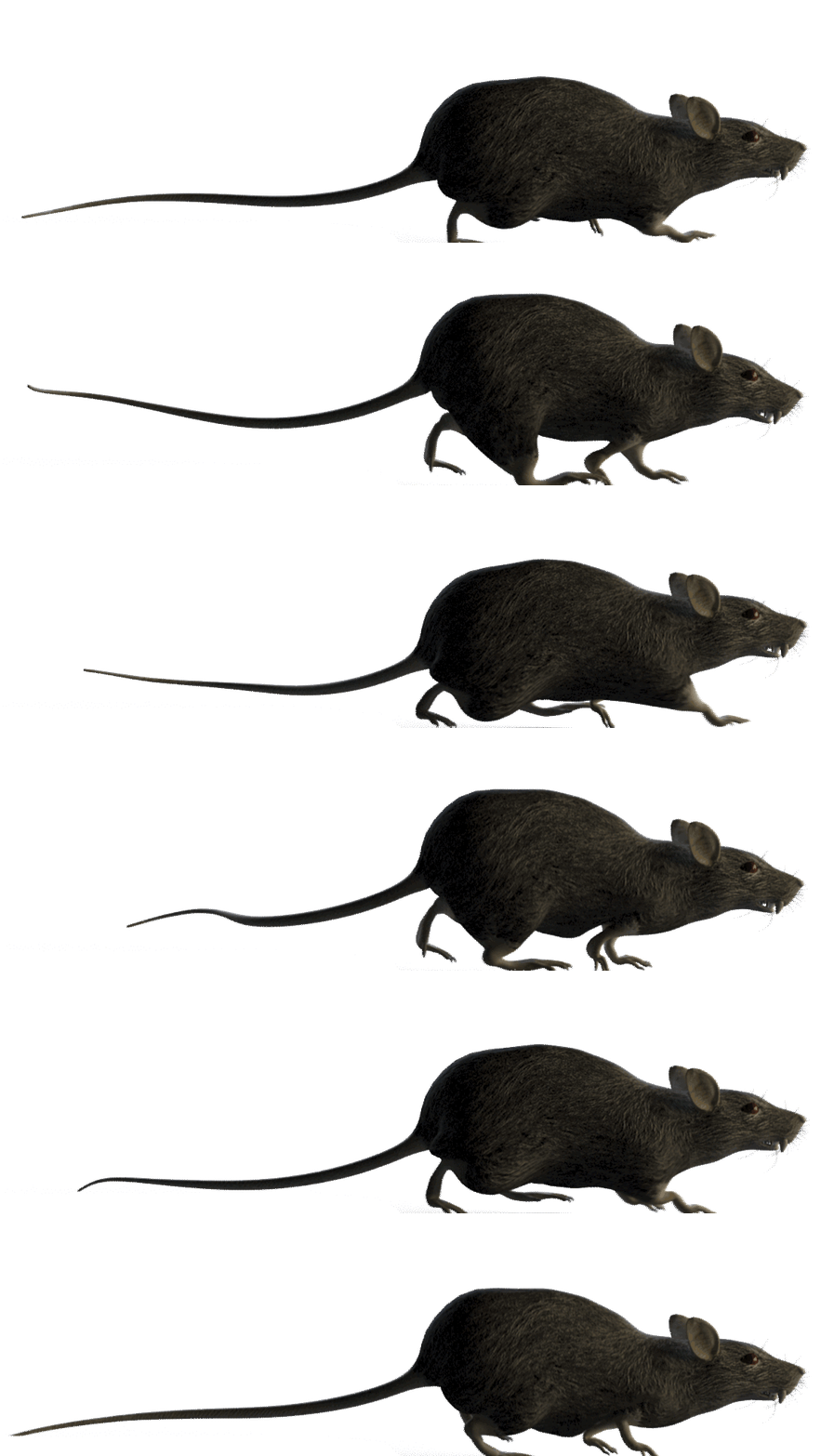
- Rodents: Rats and mice can cause damage to your home and carry diseases. A pest control company can help you identify and seal entry points and implement rodent control measures.
- Spiders: Houston has several species of venomous spiders, including black widows and brown recluses. A pest control company can help you identify and control spider populations around your home.
- Bees and wasps: Spring is the season when bees and wasps start building their nests. A pest control company can help you deal with these nests safely to prevent stings and potential allergic reactions.
Working with a reputable pest control company that can tailor their services to your specific needs and preferences is important. They can provide a customized treatment plan that addresses the most common and problematic pests for your home in Houston, Texas, during the spring.
Questions people ask about spring pest control
What pests wake up first in a Houston-area spring?
Ants, termites and roaches are usually first. Termite swarmers often show up at windows and lights in spring, and ant trails start along counters and baseboards as the weather warms. Wasps begin new nests under the eaves, and rats and mice that spent the winter indoors are still there. A spring check catches each of these early.
What should a spring pest control checkup cover?
A look at the foundation for termite mud tubes, the slab edge and weep holes for ant trails, kitchens and bathrooms for roach signs, the eaves for wasp nests, and the roofline, vents and garage for the gaps rodents use. Michael inspects first and then treats only where pests live and get in.
Are termite swarmers in the house a sign of damage?
They are a sign that a colony is close, often in the soil under or beside the house, and sometimes already feeding in the wood. The swarmers themselves do not chew wood. Save a few in a bag, look for mud tubes along the slab, and have the house inspected before you assume the worst.
How can I keep ants out of the kitchen in spring?
Wipe up crumbs and sticky spills, keep sweets and pet food sealed, fix dripping faucets and seal gaps around pipes under the sink. Trails usually start outdoors along the slab, so treating where they come in works better than spraying the ones on the counter. If they keep coming back, Michael can find the source.
Is it safe to knock down a wasp nest myself?
A small nest started in early spring is easier to deal with than a big one in summer, but wasps defend the nest and can sting more than once. Anyone allergic to stings should not try. A large nest, or one hidden inside a wall or attic vent, is a job for a professional.
Do rats and mice leave the house in spring?
Not on their own. Rodents that moved into an attic or wall in winter often stay and breed. Spring is a good time to check the roofline, vents and garage door corners for gaps and droppings. Michael traps the rodents inside and seals every gap a quarter inch and up so new ones cannot follow.