
Dead Animal Removal
When an animal dies inside a wall, an attic, a crawl space or under a slab, the smell tells you before anything else does. Michael Gerbino of Cypress Critters & Pests finds the carcass by following the smell and the way air moves through the house, takes it out, cleans and deodorizes the spot, and seals the way the animal got in so the next one does not end up there too. He covers Spring, Cypress, Tomball, The Woodlands, Klein and north Houston. Call 713-775-8799.
How do you know an animal has died in the house?
Most people notice a smell first and then spend days trying to find it. These are the signs Michael uses to narrow down where the animal is.
| Sign | Where you notice it | What it usually means |
|---|---|---|
| A heavy, sweet rotten smell that gets stronger over a few days | One room, a closet, or along one wall | A carcass inside the wall or ceiling close to that spot |
| The smell is worst when the AC or heat runs | Near supply vents or the return | An animal in the attic near the ductwork, or in a crawl space under the floor |
| Flies gathering at a window, light fixture or outlet | Inside, usually in one room | Flies hatching from the carcass and finding a way out through a gap |
| A stain spreading on a ceiling or wall | Drywall under the attic | Fluids from a carcass that has been there for a while |
| Scratching that suddenly stopped | Attic or walls | An animal that had been living there may have died |
| A smell outdoors near the foundation | Under a slab edge, a deck or a shed | An animal that died in a burrow or under the house |
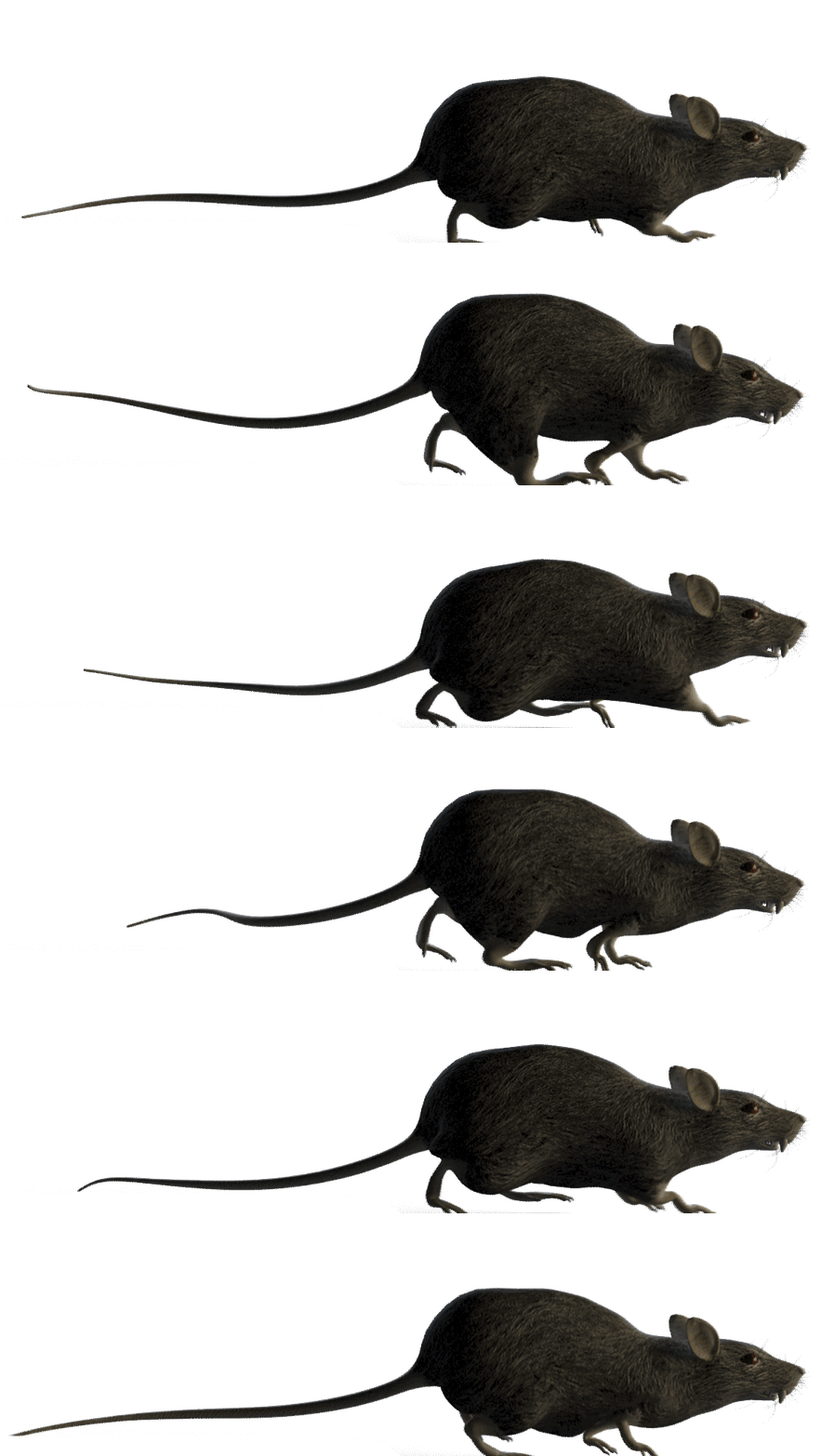
Rats and mice are the most common, often after poison bait has been put out and the animal crawls into a quiet wall to die. Squirrels, opossums, raccoons and birds turn up too.
How does Michael find a dead animal he cannot see?
Most carcasses are out of sight, so the search has to be methodical. Michael starts where the smell is strongest and works outward: the attic above that room, the wall cavities beside it, and on pier-and-beam houses, the crawl space below. Air movement matters. The AC and heat push air through the attic and the ducts, so a smell can show up in a room some distance from where the animal is. He watches where flies gather, where insulation has been disturbed, and where the animal’s travel path led. When a wall does have to be opened, he finds the spot first and cuts the smallest opening he can right there, so the repair stays small instead of turning into a search through the drywall.
Why is removing the animal only half the job?
An animal that died inside the house got in through an opening, and that opening is still there. Another rat, squirrel or bird will find the same gap, and the cycle repeats. Taking out the carcass solves this week’s smell. Sealing the entry point keeps it from happening again. That is the heart of animal exclusion: find every way an animal is getting in, and close each one with materials it cannot chew or pull apart. If live animals are still in the attic, Michael deals with them first, then seals.
Can you just cover the smell until it fades?
Air fresheners and candles hide it for an hour. The smell lasts as long as the carcass is there, and depending on the size of the animal and the heat in the attic, that can be a long time. The remains keep drawing flies and can stain the ceiling below. Getting the animal out and treating the spot is the only real fix.
How Michael handles it
- Find it. Follow the smell, the airflow and the signs back to the source.
- Remove it. Bag the carcass along with any nesting and soiled insulation around it, and take it off the property.
- Clean and deodorize. Treat the spot and the area around it to break down the smell instead of covering it up.
- Find the way in. Check the roofline, vents, line chases and foundation for the gap the animal used.
- Seal and repair. Close the entry with mesh, flashing or sealant, and fix the damage the animal left.
If you have a smell that keeps getting worse, call Michael at 713-775-8799. The sooner the carcass comes out, the less clean-up the spot needs.
A dead animal often points to a live problem nearby. One dead rat in the wall usually means there are more where it came from, and rat and mouse control is the next step. A smell under the floor of a pier-and-beam house is often an opossum or a skunk that went under the skirting. Young left behind in an attic after the mother was shut out is the reason raccoon removal and squirrel removal have to be done in the right order. Businesses with the same problem can read about commercial service, and every animal Michael handles is on the wild animal control page.
Where Michael does dead animal removal
- Spring, TX, where his business is based
- Cypress, TX
- Tomball, TX
- The Woodlands, TX
- Klein, TX
- Houston, TX, on the north and northwest side
What decides the quote
Michael quotes after he has looked, because the work depends on where the animal ended up. What moves the number is whether the carcass is in open attic space or inside a finished wall or ceiling, how hard the spot is to reach, how much insulation or nesting has to come out with it, and how many entry points need sealing afterward. Reach him through the contact page or at 713-775-8799.
Questions people ask about dead animal removal
How long will the dead animal smell last if I wait?
There is no set answer. It depends on the size of the animal, where it is and how hot that space gets. A mouse in a cool wall fades sooner than a raccoon in a summer attic. Waiting also gives flies time to breed and fluids time to stain the ceiling. Removing the carcass and deodorizing the spot ends it much sooner than waiting it out.
Do you have to cut open my wall to get it out?
Not always. Many carcasses can be reached from the attic, the crawl space or through a vent opening. When a wall does have to be opened, Michael pins down the spot first and cuts the smallest opening he can right there. That keeps the access small and easy to patch, rather than a long hunt through the drywall.
Why did an animal die inside my wall in the first place?
Animals go into walls and attics for shelter and can die there from age, injury, poison bait, or being shut in when an opening was closed with them inside. Rats that eat bait often crawl into a quiet cavity before they die. The fact that it got in at all means there is a gap that needs to be found and closed.
Is it safe to remove a dead animal myself?
If it is in plain sight, such as on the lawn or the driveway, wear gloves, bag it and keep pets and children away. Never handle it with bare hands. If it is inside a wall, an attic or under the house, or the smell is coming from somewhere you cannot see, that is a job for Michael.
What happens to the insulation where the animal was lying?
Insulation soaks up fluids and odor, so Michael removes the soiled section around the carcass rather than leaving it in place, then cleans and treats the area under it. If a larger stretch of attic insulation has been fouled by animals living up there, he tells you what he found before anything more is pulled out.
Can a dead animal smell come through my AC vents?
Yes. If the carcass is in the attic near the ductwork, in a return chase or in a crawl space, the air handler can carry the smell through the whole house. That is why the room that smells worst is not always the room where the animal is, and why Michael checks the attic and the duct runs before he opens anything.
How do I keep another animal from dying in there?
Close the way it got in. After the removal, Michael finds the entry point, whether it is a roof return, a gable vent, a line chase or a gap at the foundation, and seals it with materials animals cannot chew through. If live animals are still inside, they come out first, and then the house is sealed.
Contact Us Anytime
Michael handles raccoons, opossums, squirrels, rats and snakes day or night. He inspects the whole house to find every way in, catches the animals alive, and seals the openings so they cannot come back. He also repairs the damage they leave behind.
Call or Text Michael
(713) 775-8799
Cypress Critters & Pests
Cypress Critters & Pests is owner-operated by Michael Gerbino: humane wildlife exclusion, live trapping and pest control around Cypress, Spring, Tomball, The Woodlands, Klein and Houston.