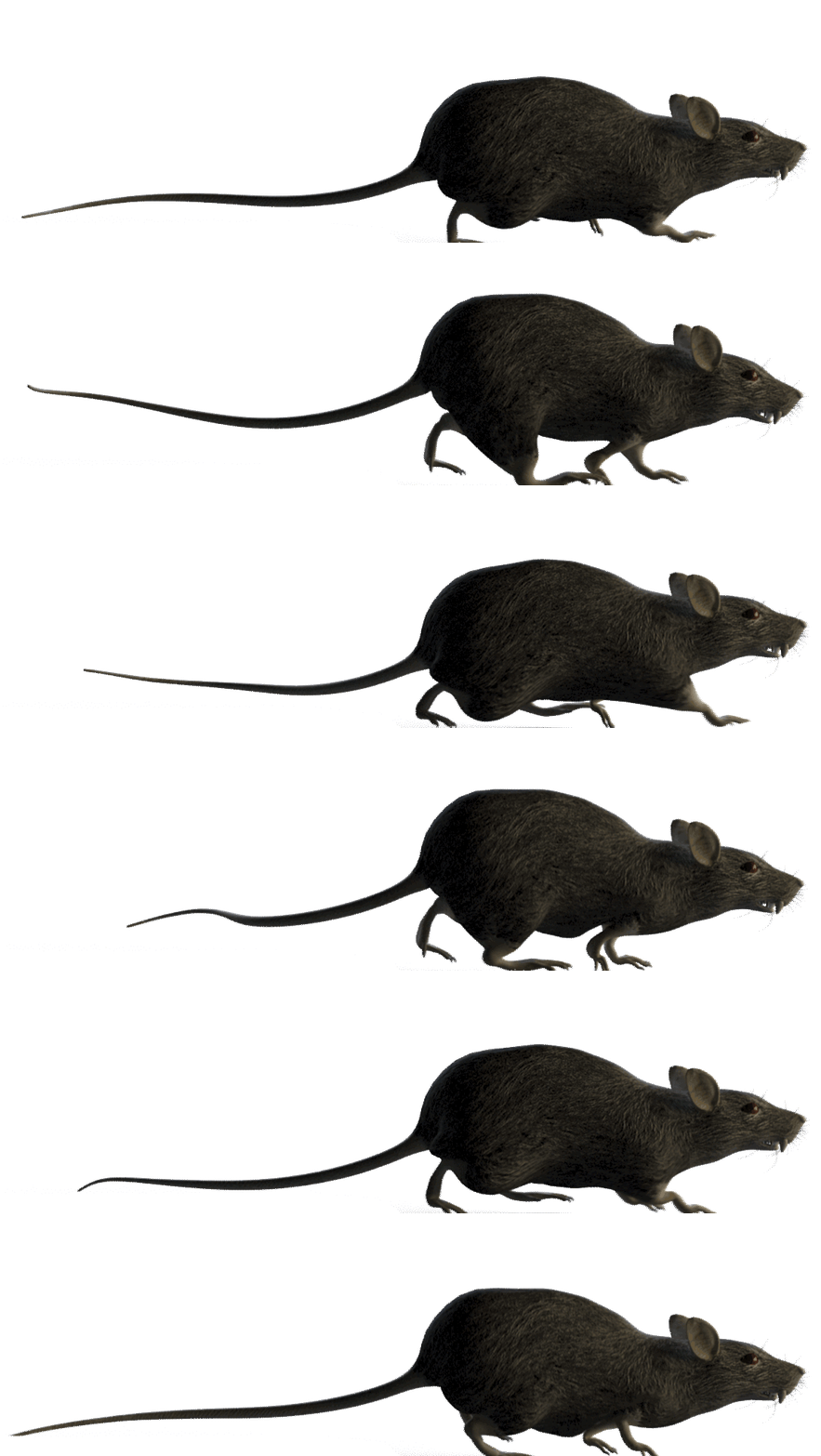
Because rats are not coming for a dirty kitchen. Around Houston, the rats in an attic are usually roof rats, and they come for shelter as much as for food. A warm, dry attic is the shelter. The food is often outside: pet bowls, bird seed, fruit and nut trees, trash cans. They travel along fence lines, tree limbs and lines to the roof and get in through gaps about the size of a quarter. A clean house does not close the roof. Michael Gerbino of Cypress Critters & Pests finds the gaps, traps the rats and seals them out. Call 713-775-8799.
What brings rats to a clean house?
Most of what draws rats has nothing to do with how the inside of the house is kept. Here is what Michael looks for when a tidy home has rats:
| What draws them | Where it usually is | What you can do about it |
|---|---|---|
| Shelter | The attic, wall spaces, a cluttered garage or shed | Seal the openings into the house; keep stored boxes off the garage floor |
| Food outside | Pet bowls on the patio, bird feeders, fallen fruit and nuts, open trash | Bring pet food in at night, clean up under feeders and trees, keep lids tight |
| Water | Dripping hose bibs, AC condensate lines, pet water bowls | Fix drips and empty bowls at night |
| A way up | Fences, tree limbs on the roof, vines on the walls, lines running to the house | Trim limbs back from the roof and pull vines off the siding |
| A way in | Roof returns, vents, gaps around pipes and AC lines, garage door corners | This is the part that has to be sealed |
A neighbor’s yard counts too. Rats move from yard to yard along fence lines at night, so a clean house next to a woodpile or a feeder still gets visitors.
How are rats getting in if I never see them?
Roof rats work at night and they climb. You hear them more than you see them: running and scratching overhead after dark and again before dawn. They get in high, not low. The common spots are the roof returns where two rooflines meet, gaps at the soffits, gable vents with thin screens, and the openings around plumbing and air conditioning lines that come through the roof or the walls. Mice and rats also slip under worn garage door seals at the corners.
Older houses tend to have more of these gaps. In Klein, many of the established neighborhoods from the 1970s and 1980s still have their original soffits and vents, which have had years of weather to open up. The rat and mouse control in Klein page talks about those houses.
Why do a few traps or bait not end it?
Traps in the attic catch the rats that are there tonight. If the gaps outside stay open, new rats follow the same paths in, and the trapping never ends. Bait has another problem: a rat that eats it can crawl into a wall to die, and then the house has a smell that lasts for weeks and no way to reach the source.
That is why trapping inside only works if every gap outside is sealed. Sealing is the part that actually stops rats, and it is the heart of animal exclusion. If you are ready to get it looked at, call Michael at 713-775-8799.
What does a rat job look like from start to finish?
- Inspection. Michael walks the roofline and the outside of the house, then goes into the attic to find droppings, chewed wiring, rub marks and the paths the rats use.
- Trapping. Traps go where the rats actually run, and they get checked.
- Sealing. Every gap gets closed with metal mesh, hardware cloth, flashing and sealant. Soft material like foam gets chewed right back out.
- Clean-up. Droppings and soiled insulation get cleaned out of the attic.
- Follow-up. Traps stay in place long enough to show that no more rats are getting in.
The details for both rats and mice are on the rat and mouse control page.
When to call
Call when you hear running or scratching overhead at night, find droppings in the attic or garage, see chewed wiring or chewed boxes, or watch a rat run the top of the fence at dusk. Michael quotes after he sees how many openings there are and where. The sooner the gaps are sealed, the less there is to clean up. Call or text 713-775-8799.
Questions people ask about rats in a clean house
Can a rat really fit through a hole the size of a quarter?
Yes. A roof rat can get through an opening about the size of a quarter, and it will chew a slightly smaller gap bigger. That is why the small gaps around pipes, AC lines and roof returns matter as much as the big holes. Sealing for rats means closing all of them with metal, not just the obvious ones.
Will cleaning up my yard make the rats leave?
It helps, but it does not get rats out of an attic. Taking away pet food, fallen fruit and open trash makes the yard less inviting. Rats already living in the attic have shelter there and will keep going out to look for food. They leave for good when they are trapped out and every opening is sealed.
Why do I only hear the rats at night?
Roof rats are night animals. They leave the attic after dark to find food and water and come back before dawn, so the noise tends to come in two waves. Squirrels, by contrast, are mostly heard in the daytime. When the noise happens is one of the first clues Michael uses to tell what is in the attic.
Should I put rat poison in my attic?
Michael does not rely on it for attic rats. A rat that eats bait can crawl into a wall or under insulation to die, and the smell can last for weeks with no easy way to reach it. Trapping the rats that are inside and sealing every gap outside solves the problem without leaving one behind in the wall.