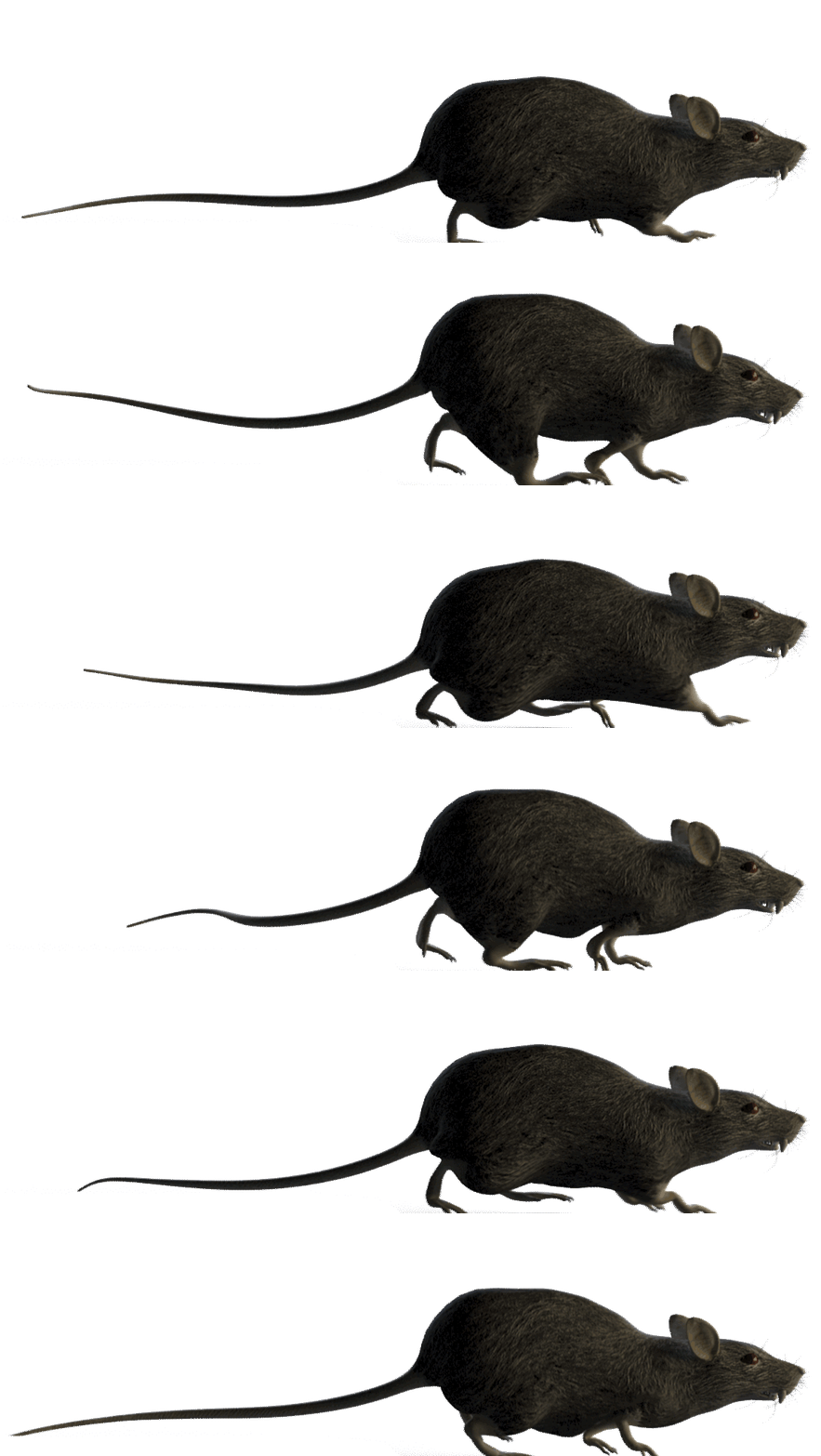
Noise in the attic at night is most often roof rats or mice. The next most likely answer is a raccoon. Rats and mice make light, quick scratching and running that starts after dark. A raccoon is heavier: thumps, slow walking and sometimes chattering if young are up there. Squirrels are mostly a daytime sound, so if it only happens at night, think rodents or raccoons first. Michael Gerbino of Cypress Critters & Pests inspects the attic and roofline himself and tells you which animal it is. Call 713-775-8799.
How can I tell which animal it is by the sound?
The time of night and the weight of the sound tell you a lot before anyone climbs a ladder. Note when you hear it and what it sounds like for a few nights. That helps Michael narrow it down on the phone.
| What you hear | When you hear it | Most likely animal |
|---|---|---|
| Light, fast scurrying, gnawing, things being dragged | After dark and again before dawn | Roof rats or mice |
| Heavy thumps, slow walking, something big moving insulation | Late evening and through the night | Raccoon |
| Chattering, whining or a soft purring from one spot | Night, mostly in spring and early summer | A raccoon mother with young |
| Running and scratching that stops after dark | Early morning and late afternoon | Squirrels |
| Rustling and squeaking near a vent or gable | Right around sunset | Bats leaving to feed |
| Fluttering and chirping in a vent or chimney | Early morning | Birds nesting |
One sound does not always mean one animal. Rats sometimes move into an attic that a raccoon has already opened up, because the hole is there and the insulation is torn and easy to nest in.
Why are animals living in my attic in the first place?
An attic in the Houston area is dry, sheltered and quiet, and for most of the year it is warmer than anything outside. To a roof rat or a raccoon that is a better den than any tree. Houses with limbs hanging over the roof make it even easier, because the animal can walk straight from a branch onto the shingles.
The way in is almost always a gap along the roofline. Common spots are the soffit where two rooflines meet, a gable vent with a thin screen, the gap around an air conditioning line or a plumbing pipe, and a chimney with no cap. Rats and mice need only a small opening. A raccoon can make its own by pulling a loose soffit panel down with its hands.
Can I go up and look for myself?
You can look for signs from the attic hatch with a good flashlight. Watch for droppings, trails pressed into the insulation, chewed wires, torn vent screens from the inside, or a strong smell. Do not reach toward an animal, corner it or try to grab it, and keep children and pets out of the attic until you know what is up there. A cornered raccoon will fight, and a mother with young is the most likely to.
Avoid putting poison bait in the attic. A poisoned rat often crawls into a wall or under the insulation and dies there, and then the noise problem turns into a smell problem that is much harder to fix.
Why does trapping one animal not stop the noise?
Catching the animal you hear only solves tonight. If the hole it used is still open, the smell of the last animal leads the next one right back to it, and in a few weeks the scratching starts again. The fix is finding every opening and closing it with material the animal cannot chew or pull apart, which is what animal exclusion and humane live trapping means. Michael gets the animals out first and seals the house after, so nothing is closed in.
Call 713-775-8799 if the noise keeps you up at night and you want someone to look at the whole roofline, not just the spot overhead.
What does Michael do when he comes out?
- Inspection. He walks the roofline and goes into the attic to find the droppings, the paths and every way in, then tells you what he found.
- Removal. Animals are caught in live cage traps or let out through a one-way door, a flap that lets the animal leave but not come back. They are removed alive and handled following Texas rules.
- Sealing. Every opening gets closed with metal mesh, flashing, vent covers or a chimney cap.
- Repair and clean-up. Torn soffits and vents get fixed, and droppings and soiled insulation get cleaned up.
When should I call?
Call as soon as the noise repeats for more than a night or two. Rats breed fast, and a raccoon does more damage every week it stays. If what you hear sounds small and fast, read about rat and mouse control, and if you live in Spring, see rat and mouse control in Spring. If it sounds heavy, the raccoon removal page explains what happens next. If it only happens in daylight, start with squirrel removal.
Hearing something overhead tonight? Call or text Michael at 713-775-8799. He will come look at your attic himself.
Questions people ask about noise in the attic at night
Can rats and a raccoon be in my attic at once?
Yes. A raccoon tears open a soffit or vent, and that opening is big enough for rats and mice to use too. The torn insulation makes easy nesting for them. That is one reason Michael inspects the whole attic instead of setting one trap. If two kinds of animals are inside, each one gets handled, and then every opening is sealed.
Why does the attic noise stop for a few days, then come back?
Animals move around. A raccoon may use two or three dens and rotate between them, and rats may shift to a wall for a while. A quiet week does not mean the animal is gone. As long as the opening is still there, it or another animal will come back. Sealing the entry points is what ends the cycle.
Should I put poison bait in the attic to stop the noise?
It is a poor idea. A poisoned rat or mouse usually dies somewhere you cannot reach, inside a wall or under insulation, and the smell can hang on for a long time. Poison also does nothing to close the hole that let it in. Live trapping plus sealing the house fixes the cause instead of making a new problem.